
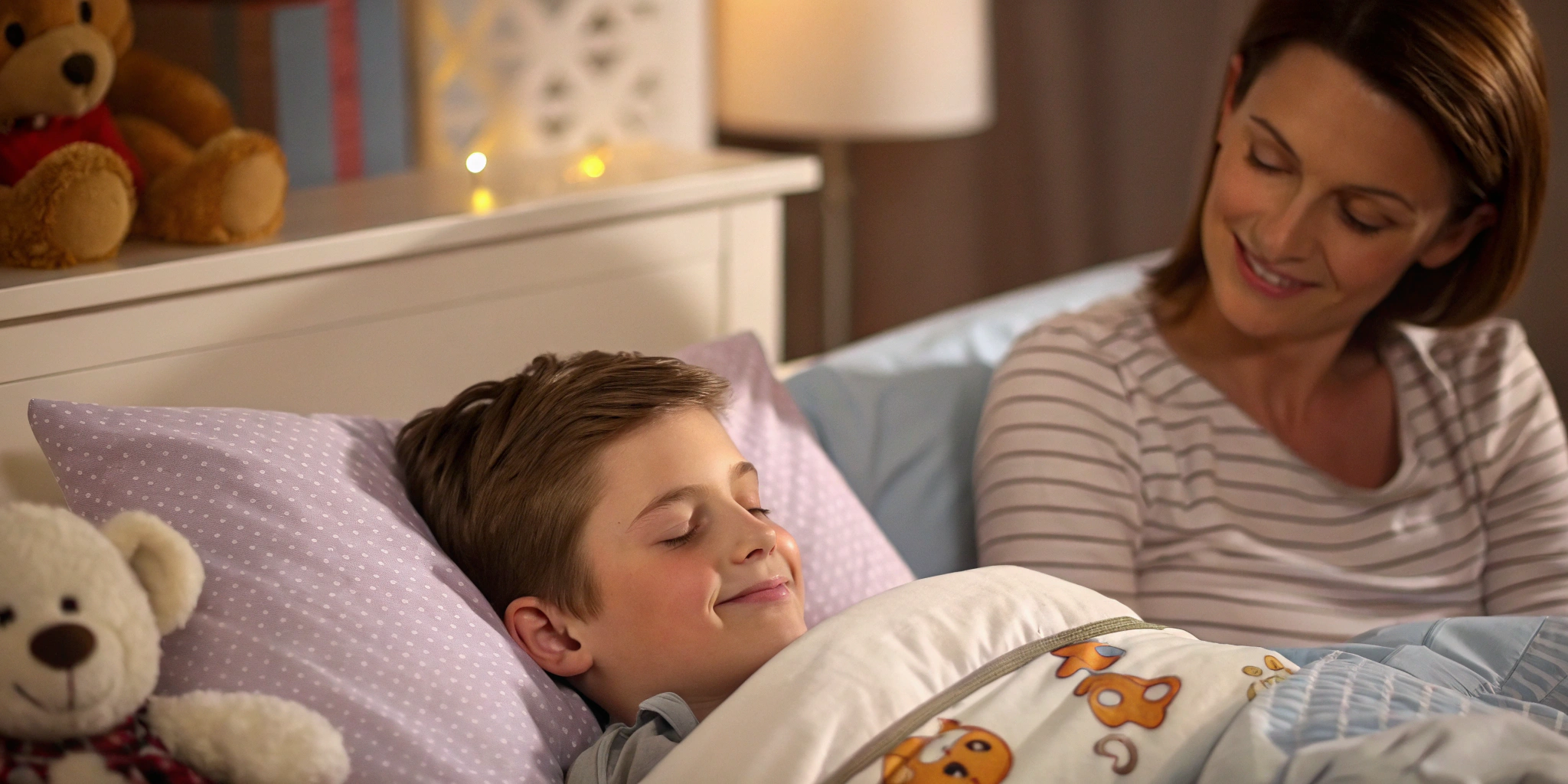
Is bedtime at your house a peaceful transition or a two-hour marathon of “one more glass of water” and “I’m not tired”? You are not alone. Getting a child to sleep is one of the biggest challenges of early parenting. However, a consistent, magical bedtime routine does more than just help your child sleep—it develops their brain, reduces anxiety, and gives you back your quiet evenings. Here are 10 expanded, expert-backed secrets to turn bedtime battles into sweet dreams.
1. The “Golden Hour” Consistency
The secret to a great night’s sleep starts long before the lights go out. Establish a “Golden Hour” where the house begins to slow down at the same time every single night. Consistency trains your child’s internal clock (the circadian rhythm) to start producing melatonin, the sleep hormone, naturally.
2. Implement a “Digital Sunset”
Blue light from tablets, TVs, and phones is a sleep-thief. Swap the screen for soft music or a dim lamp to signal to the nervous system that the day is officially over at least 90 minutes before bed.
3. Create a “Sensory Sleep Sanctuary”
A “Sleep Sanctuary” should be cool, dark, and quiet. Use blackout curtains and a white noise machine to drown out household sounds, reducing “night-time alertness”.
4. The Warm Water “Meltdown” Reset
A warm bath is a biological trigger for sleep. As your child steps out, their body temperature drops slightly, mimicking the natural cooling the body goes through before sleep.
5. Predictable “Steps to Sleep” Chart
Children feel safe when they know what’s coming next. Create a simple visual chart with steps like Bath, Pajamas, Teeth, Story, Sleep, letting your child check them off to give them a sense of control.
6. The “Daily Download” Connection
Spend 5 minutes asking: “What was your favorite part of today?”. This positive emotional connection lowers their heart rate and ensures they drift off feeling loved and secure.
7. Strategic “Early Dinner” Timing
Ensure dinner is served at least 2 hours before bedtime. If they need a snack, opt for something like a banana, which aids in the production of sleep-inducing chemicals.
8. Aromatherapy: The Scent of Sleep
Using a tiny bit of lavender essential oil in a diffuser or as a pillow spray can work wonders. Scent is strongly tied to memory and relaxation; soon, the smell of lavender alone will tell your child’s brain it’s time to close their eyes.
9. The “Reverse Pajama” Logic
If your child struggles with the sensory feeling of certain clothes, let them choose their pajamas or even wear them inside out if the seams bother them. Removing small physical irritations can prevent a major emotional meltdown right before bed.
10. The “Bridge to Dreams”: Quiet Creative Play
Transitioning from a busy day to a dark room is hard for a child’s active brain. Spending 15 minutes on a quiet, repetitive activity like coloring is the perfect “bridge.”
Using our specialized, calming coloring books as part of the bedtime routine allows your child to focus on slow, rhythmic movements. This mindful activity acts as a natural sedative for the brain. By the time the book is closed, their mind is clear and they are ready for deep sleep.
Do you want to reclaim your evenings? Our coloring books are designed to be the final, peaceful step in your child’s journey to dreamland.
[If you’ve tried every routine and still feel exhausted, you need more than just tips—you need a proven system. ‘Sleep Without Tears’ offers research-based, parent-approved scripts and checklists to handle every night-waking with confidence. [Get the full 53-page guide here and give your child the gift of healthy sleep.]